
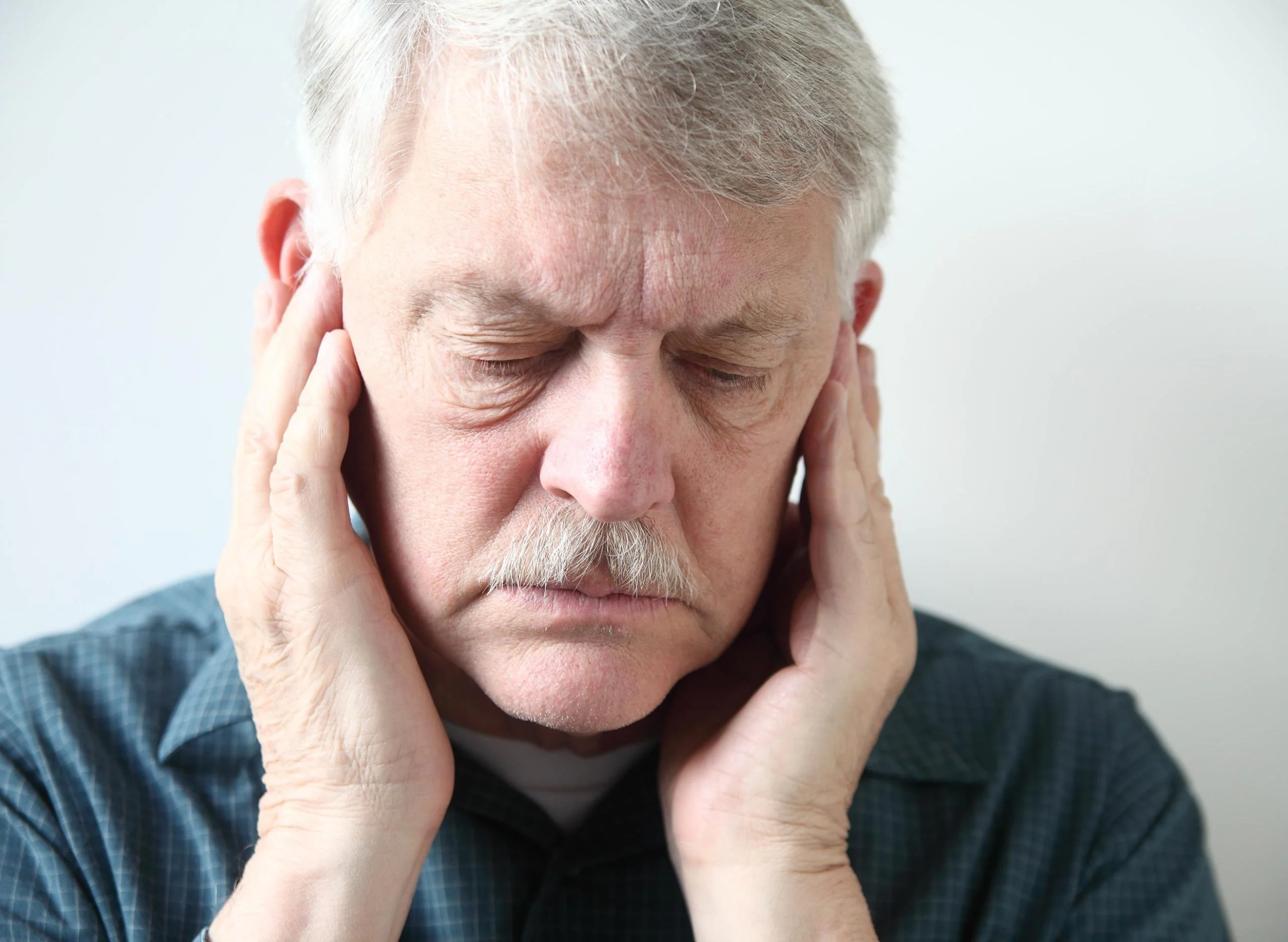
Get Back to Chewing, Talking, and Yawning Without Jaw Pain
If your jaw clicks, aches, or locks when you eat or speak, you don’t have to just put up with it. At Quality of Life Medical Center in Magnolia, TX , our team looks at how your jaw, neck, and spine work together so we can address the source of your discomfort and not just the symptoms.
schedule an appointmentUnderstanding the Temporomandibular Joint
TMJ is an abbreviation for the temporomandibular joint, which connects the mandible, or your lower jaw, to the temporal bones of the skull. It is one of the more unique joints in your body because it allows your jaw to move forward, backward, and side to side so that you can chew, talk, sing, yawn, and more. You can find this joint just in front of your ears on both sides of your head.
Any problem with the muscles, ligaments, discs, bones, or the joint itself is known as a temporomandibular disorder, or TMD. TMD refers to the actual disorder, where the jaw joint is misaligned or irritated and causes problems such as pain, inflammation, and difficulty moving or operating the jaw. These conditions are often called by the joint name, TMJ, instead.
Common Signs of a Jaw Problem
- Pain or tenderness in the jaw, face, or around the ears
- Clicking, popping, or grinding sounds when you open or close your mouth
- Difficulty chewing or a bite that feels uneven
- Jaw locking or limited ability to open your mouth fully
- Headaches, neck stiffness, or ear pressure that seems to come with jaw tension
How We Approach TMJ Care in Magnolia
Jaw pain rarely exists in isolation. Posture, neck alignment, muscle tension, and old injuries can all affect how the jaw moves. Our doctors begin with a thorough consultation and exam to understand your symptoms and what may be contributing to them. From there, we build a care plan that fits your needs and may include gentle chiropractic care, the low-force Activator Method, or supportive therapies such as electrical stimulation and therapeutic ultrasound to help calm irritated muscles and tissues.
Because jaw tension often travels, many patients also come to us for headaches and migraines or neck pain. Addressing these areas together can give you a more complete picture of what is going on.
TMJ Questions We Hear From Magnolia Patients
What does TMJ stand for?
TMJ stands for temporomandibular joint, the joint that connects your lower jaw to the temporal bones of your skull. It sits just in front of your ears on both sides of your head and allows you to chew, talk, sing, and yawn.
Is TMJ the same thing as TMD?
Not exactly. TMJ is the name of the joint itself, while TMD (temporomandibular disorder) refers to a problem with the muscles, ligaments, discs, bones, or the joint. In everyday conversation, people often say “TMJ” when they mean TMD.
What are the symptoms of a TMJ disorder?
Common symptoms include jaw pain or tenderness, clicking or popping when you open your mouth, difficulty chewing, jaw locking, and pain around the ears or face. Some people also notice headaches or neck stiffness along with their jaw symptoms.
What causes jaw pain and TMJ problems?
Jaw problems can develop from many things, including misalignment of the joint, muscle tension, inflammation, a past injury, or issues with the disc, ligaments, or bones of the joint. A proper exam helps identify what may be contributing to your symptoms.
Can a chiropractor help with TMJ pain?
Many patients find chiropractic care to be a helpful, drug-free option for jaw discomfort. Our doctors evaluate the jaw along with the neck and spine, and your plan may include gentle adjustments and supportive therapies. Results vary from person to person.
What should I expect at my first visit?
Your first visit includes a conversation about your symptoms and health history, followed by an exam. We will explain what we find and talk through care options with you before you decide on next steps. You can learn more on our new patients page.
When should I have my jaw pain checked?
It’s a good idea to schedule an evaluation if jaw pain lasts more than a few days, if your jaw locks or clicks painfully, or if chewing and speaking have become difficult. Early attention can help keep a minor problem from becoming a bigger one.
Ready for Relief From Jaw Pain?
Call (281) 789-4182 or request a visit online to meet with our team in Magnolia, TX . We’ll listen to your concerns and help you find a path forward.